
What Are the Most Reliable BMW Models When It Comes to Maintenance and Repairs
BMW has built a reputation for performance and engineering, but not all models are equal when it comes to long-term reliability. The BMW 3 Series, 5 Series, and X3 consistently rank among the most dependable options for owners who want to balance driving pleasure with manageable maintenance costs.
Located in Alpharetta, a fast-growing tech hub in the Atlanta metro area, the city is known for its affluent communities, strong car ownership culture, and destinations like Avalon. It consistently ranks among the best places to live in the U.S., supported by a well-established network of premium automotive service providers.
This strong service ecosystem directly benefits BMW owners, making it easier to maintain these vehicles with confidence—especially when you have access to trusted BMW repair in Alpharetta, GA, which helps keep performance consistent and minimizes unexpected issues over time.
In this article, let’s take a closer look at the BMW models that offer the best reliability and what makes them easier to maintain.
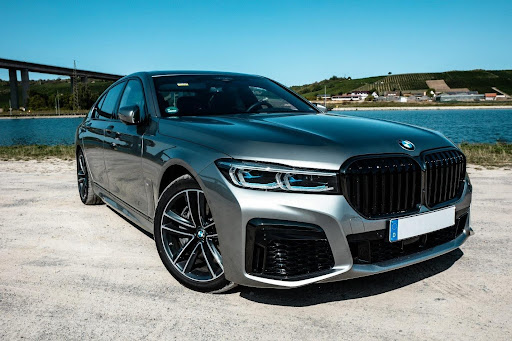
Which BMW Models Have the Best Reliability Track Record?
Reliability varies across BMW’s lineup depending on the engine type, generation, and technology involved. Some models have proven themselves over years of real-world ownership data.
BMW 3 Series
The 3 Series is widely considered BMW’s most reliable model family. It has a long production history, which means parts are widely available and technicians are deeply familiar with its systems. The 2012 to 2018 generation, in particular, shows strong reliability scores across owner surveys.
BMW 5 Series
The 5 Series offers a step up in size and comfort while maintaining a relatively solid reliability record. The 2011 to 2016 models are frequently praised for their dependable engine performance and lower-than-average repair frequency. Routine maintenance on these models is straightforward compared to more complex luxury competitors.
BMW X3
The X3 is one of BMW’s most practical and reliable SUV options. It handles well, ages gracefully, and tends to need fewer unexpected repairs than larger BMW SUVs. Owners of the F25 generation report high satisfaction with long-term ownership costs.
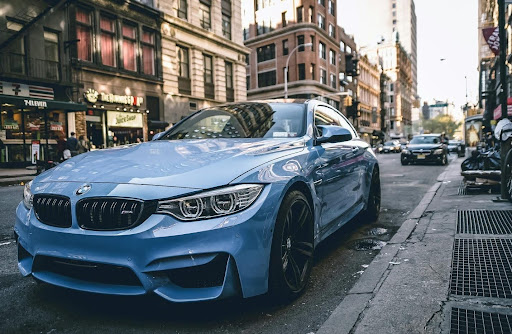
What Makes These Models Easier to Maintain?
These models share a few common traits that contribute to their lower maintenance burden.
- Parts availability is high due to long production runs
- Technician familiarity reduces diagnostic time and labor costs
- Engine designs in these generations avoid some of the complex issues found in newer turbocharged variants
- Service intervals are well-documented and easy to follow
Models with straightforward inline-six or four-cylinder engines generally cost less to maintain than those with complex twin-turbo or eight-cylinder setups.
Reliable vs. High-Maintenance BMW Models
Not every BMW delivers the same ownership experience. Understanding the difference helps buyers make smarter decisions.
More reliable options tend to include the E90 3 Series, F10 5 Series, and F25 X3. These models use proven engineering and have extensive repair documentation available.
Higher maintenance models often include older V8-powered 7 Series vehicles, some M-series performance cars, and early VANOS system engines that require more specialized BMW repair knowledge and more frequent attention.
The gap between these two groups is not just about brand perception. It reflects real differences in parts cost, labor time, and how often problems occur.
Does Model Year Matter for BMW Reliability?
Yes, model year plays a significant role in how much a BMW costs to maintain over time. Older models from the mid-2000s can carry aging electrical systems and worn seals that drive up repair frequency. Newer models sometimes introduce more technology, which adds complexity even if the build quality is high.
The sweet spot for most buyers is a BMW that is three to eight years old, within a known, reliable generation, and has a complete service history available.
Key Takeaways
- The BMW 3 Series, 5 Series, and X3 are consistently the most reliable models for everyday ownership.
- The F25 X3 and F10 5 Series generations offer strong long-term value with lower repair frequency.
- Parts availability and technician familiarity are major factors in real-world maintenance costs.
- Inline-six and four-cylinder BMW engines tend to be less expensive to service than V8 or complex turbo setups.
- Model year matters; mid-cycle generations often deliver the best balance of technology and reliability.
- Knowing your model’s reliability profile helps you plan maintenance and avoid unexpected repair costs.
